What causes shingles?
After you’ve had chickenpox, the virus remains in your body in an inactive state. It can reactivate years later as shingles, often triggered by a weakened immune system or stress.
Read More
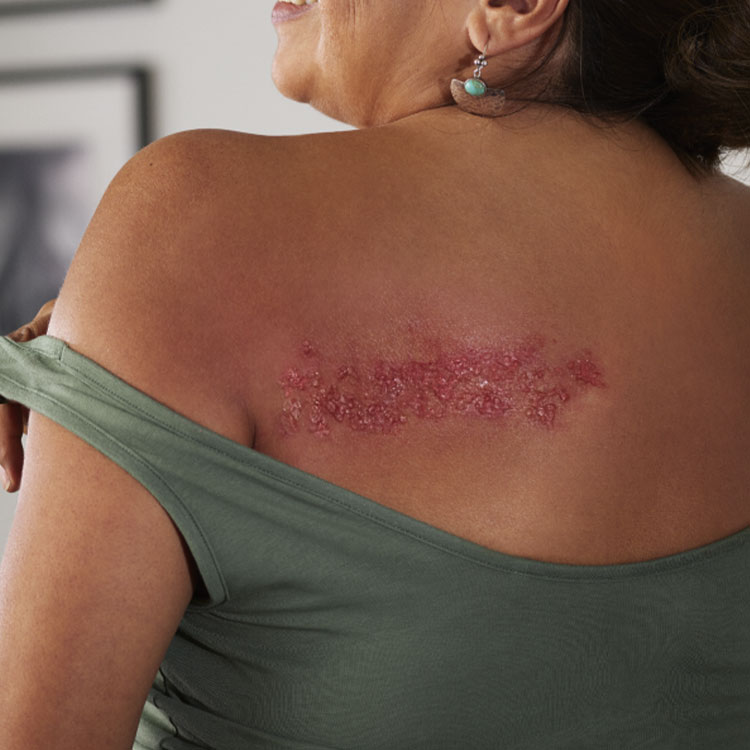
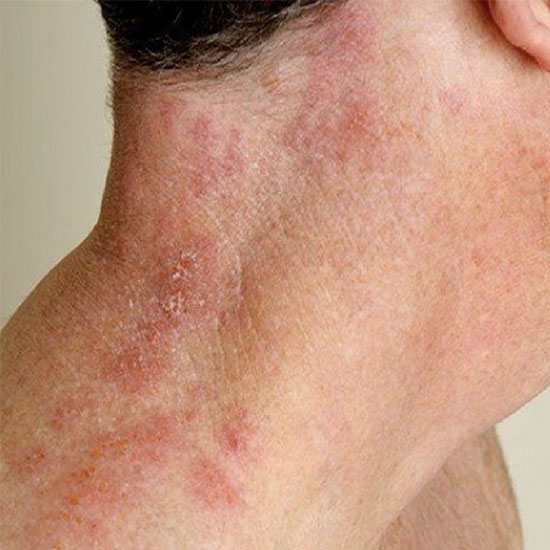
Shingles, also called herpes zoster, is a viral infection caused by the varicella-zoster virus, the same virus that causes chickenpox. After experiencing chickenpox, about 90% of Canadian adults retain the virus in their system. Shingles is characterized by a painful, blistering rash that typically appears on one side of the face, neck, or torso. The pain can be severe and may interfere with daily activities. In some cases, the pain can linger for many weeks after the rash has healed.
Every year,010123456789012301234567890123456789012345678901234567890123456789012345678901234567890123456789012345678901234567890,012345678901234567890123456789012345678901234567890123456789012345678901234567890123456789012345678900123456789012345678901234567890123456789012345678901234567890123456789012345678901234567890123456789001234567890123456789012345678901234567890123456789012345678901234567890123456789012345678901234567890Canadian adults are diagnosed with shingles.
That’s 1in3 people over their lifetime.*
*Estimate based on the 90% of Canadian adults who have had chickenpox.
Shingles can cause a variety of symptoms that often appear in stages. Swipe through the cards to see what to look for.
After you’ve had chickenpox, the virus remains in your body in an inactive state. It can reactivate years later as shingles, often triggered by a weakened immune system or stress.
Read MoreShingles is caused by reactivation of the virus responsible for chickenpox. Approximately 90% of Canadian adults have been exposed to this virus. Risk increases with age, particularly after 50, and may also increase in adults 18 years of age or older who are immunodeficient or immunosuppressed due to a known disease or therapy.
Read MoreThe risk of developing shingles increases with age, especially after the age of 50. This is largely due to a natural weakening of the immune system over time, a process known as immunosenescence, which makes it harder for the body to keep the varicella-zoster virus (the virus that causes shingles) in check.
Read MoreThe risk of developing shingles increases with age, especially after the age of 50. This is largely due to a natural weakening of the immune system over time, a process known as immunosenescence, which makes it harder for the body to keep the varicella-zoster virus (the virus that causes shingles) in check.
Several health conditions and treatments are recognized risk factors for shingles, including:
Because everyone’s health is different, a healthcare professional can help you understand which of these factors may apply to you and assess your individual risk for shingles.
Shingles can sometimes lead to serious complications. The most common is postherpetic neuralgia (PHN), a long-lasting and potentially disabling nerve pain that can persist for months or even years after the shingles blisters have healed. In some people, PHN can be severe enough to interfere with everyday activities like walking, sleeping, and socializing.
Read MoreShingles can sometimes lead to serious complications. The most common is postherpetic neuralgia (PHN), a long-lasting and potentially disabling nerve pain that can persist for months or even years after the shingles blisters have healed. In some people, PHN can be severe enough to interfere with everyday activities like walking, sleeping, and socializing.
Other potential complications include:
After symptoms begin, shingles typically shows up as a painful, blistering rash. While symptoms like tingling, burning, or sensitivity may come first, the rash is the clearest sign of shingles. Click on the body areas to see where the rash most commonly appears.
Discover personal stories from those who have faced the pain and disruption of shingles.